


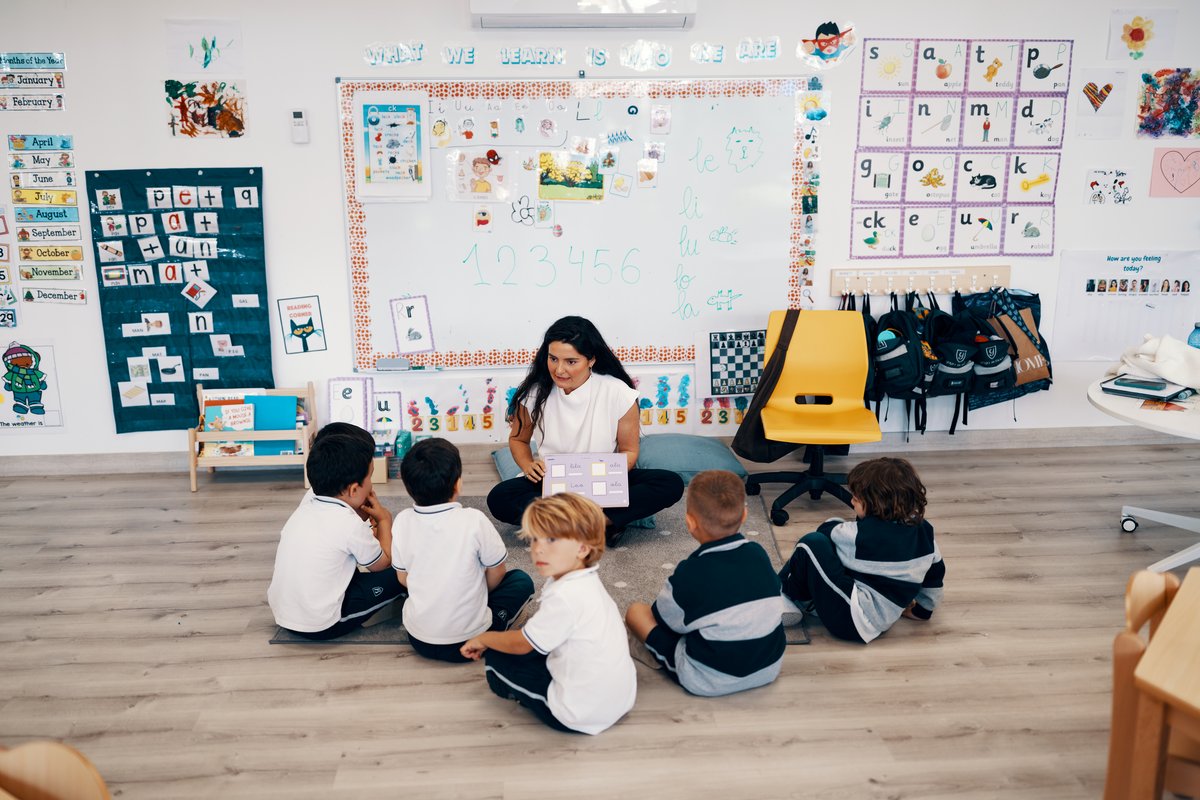
Reading is one of the most powerful tools for the holistic development of children and teenagers. Reading regularly strengthens the brain, expands vocabulary, builds empathy and enhances academic performance. Encouraging a love of reading from an early age is not just a school requirement, it is an investment in the person your child will become.
At Yago School Málaga, we believe this habit has the power to shape your child’s future. Discover why reading is so important and the key benefits it brings.
Why is reading important for children and teenagers?
We live in a world full of digital stimuli. Screens compete every day for young people’s attention, and reading often takes a back seat to video games or social media. However, no other activity has the same impact on the developing brain as reading.
Reading simultaneously activates language areas, memory, the visual system, emotional regions and executive functions. It is not passive entertainment, it is a complete cognitive workout. According to neuroscience, just six months of regular reading can reshape deep brain structures thanks to neuroplasticity, the brain’s ability to reorganise and adapt through experience.
Benefits of Reading for Children Aged 6 to 12
During the primary years, reading lays the foundation for almost all future learning. These are the most important benefits at this stage:
- Vocabulary and comprehension: each book introduces new words in context, the most natural and lasting way to build language skills.
- Imagination and creativity: when children read, they mentally create scenarios, characters and situations, strengthening their ability to think creatively.
- Concentration: following a story requires sustained focus over time, a skill that is increasingly rare in today’s digital world.
- Academic foundation: children who read regularly better understand instructions, follow tasks more accurately and perform better across all subjects.
At this stage, the family environment plays a crucial role. This is something we actively share with families at our private school in Málaga. Children don’t do what they are told, they do what they see. Having books visible at home and sharing reading time as a family are the key factors in developing a lifelong reading habit.
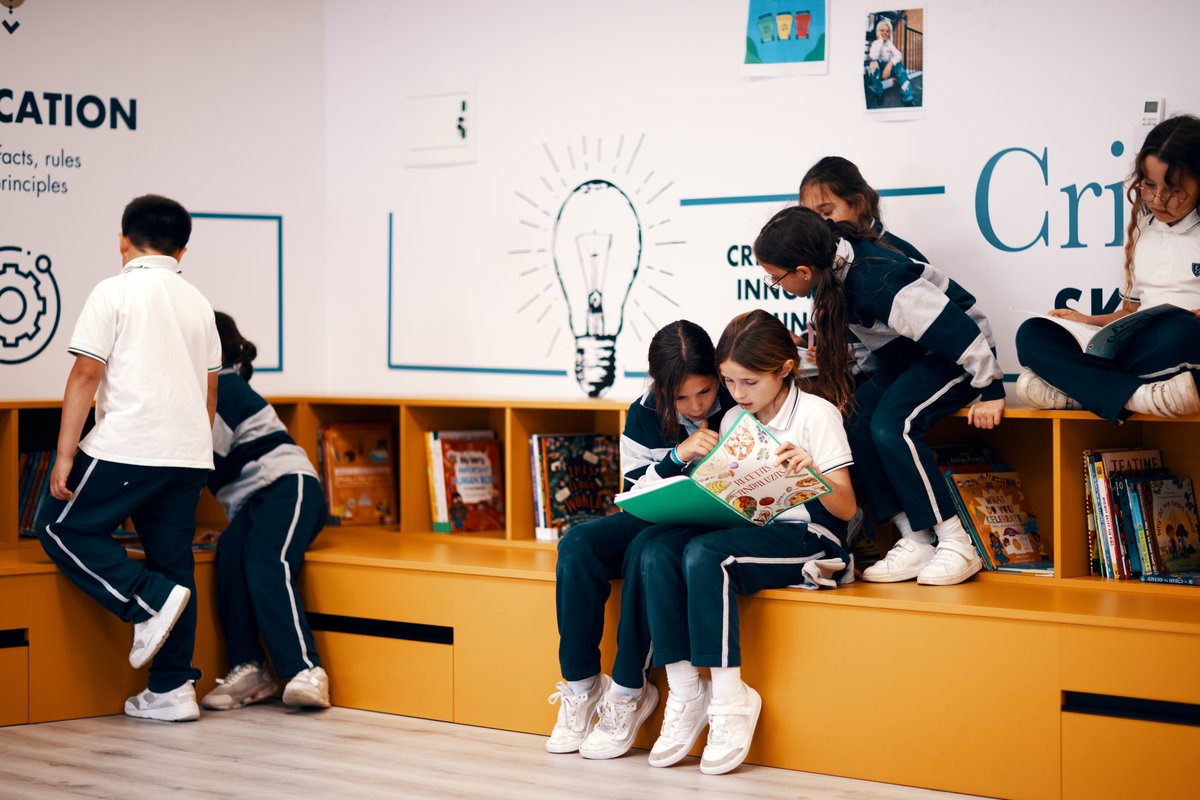
Benefits of Reading for Teenagers Aged 12 to 18
Adolescence is a key stage in brain development. The benefits of reading during this period go far beyond academic performance. Some of the most important advantages include:
- Critical thinking and identity: reading exposes teenagers to perspectives different from their own, encouraging them to compare ideas, question arguments and form their own opinions. In a world dominated by fast, superficial content, this ability is a true differentiator.
- Empathy and emotional intelligence: fiction allows young people to step into the lives of characters with very different realities. Teenagers who regularly read fiction develop a deeper understanding of others’ emotions and improve their interpersonal relationships.
- Stress reduction: immersing themselves in a good story is one of the most effective ways for teenagers to disconnect from academic and social pressures. Reading before bedtime also helps improve sleep quality.
- Communication and leadership: great books teach young people to think with nuance and express ideas clearly and precisely. It is no coincidence that many leaders, across all fields, are regular readers.
Traditional Reading vs Digital Reading: Does the Format Matter?
This is one of the most common questions among families and educators. The honest answer is that the format matters less than the depth of reading.
The issue is not the screen itself, but the type of reading it encourages.
Digital content often leads to skimming paragraphs, scanning headlines and searching for quick information. Reading a book, on the other hand, requires following a narrative in a linear way, sustaining attention and building meaning progressively. This cognitive difference is significant.
Therefore, if your child reads books on a digital device, they will gain the same benefits as reading on paper. However, if they are simply scrolling through content as they would on social media, the benefits are not comparable.
How to Encourage Reading at Home in Children and Teenagers
At Yago School Málaga, we always tell families that fostering a love of reading does not require a complex plan, or at least not one that creates extra pressure. Some of the most effective strategies are simple and easy to implement:
- Keep books accessible and visible at home
- Respect your child or teenager’s interests
- Establish a daily screen-free reading time, especially before bedtime
- Recommend quality books without imposing them, sharing why you enjoyed them
- Lead by example: parents who read raise children who read
We have all experienced it: when we discover a story that truly connects with us emotionally, any initial resistance to reading often turns into genuine motivation.
Reading at Yago School Málaga: Our Educational Approach
At Yago School Málaga, we understand reading as a core pillar of a student’s development. Our educational approach integrates reading in both Spanish and English from the earliest stages, with carefully selected books adapted to each age group and explored both in the classroom and at home.
We encourage students not only to read, but to engage with what they read, to discuss ideas, defend their opinions, connect stories to their own experiences and develop the critical thinking skills that will set them apart far beyond school, in their future.
At What Age Should You Start Encouraging Reading?
It is also important to understand that the earlier this habit is encouraged, the better, ideally, even before a child learns to read.
Reading aloud to children from their earliest months helps develop language skills, attention and emotional bonding. A love of reading is built long before a child recognises their first word.
How Long Should Children and Teenagers Read Each Day?
This is another common question among families. Around 20 to 30 minutes of sustained daily reading is enough to generate real benefits.
That said, consistency matters far more than the duration on any given day.
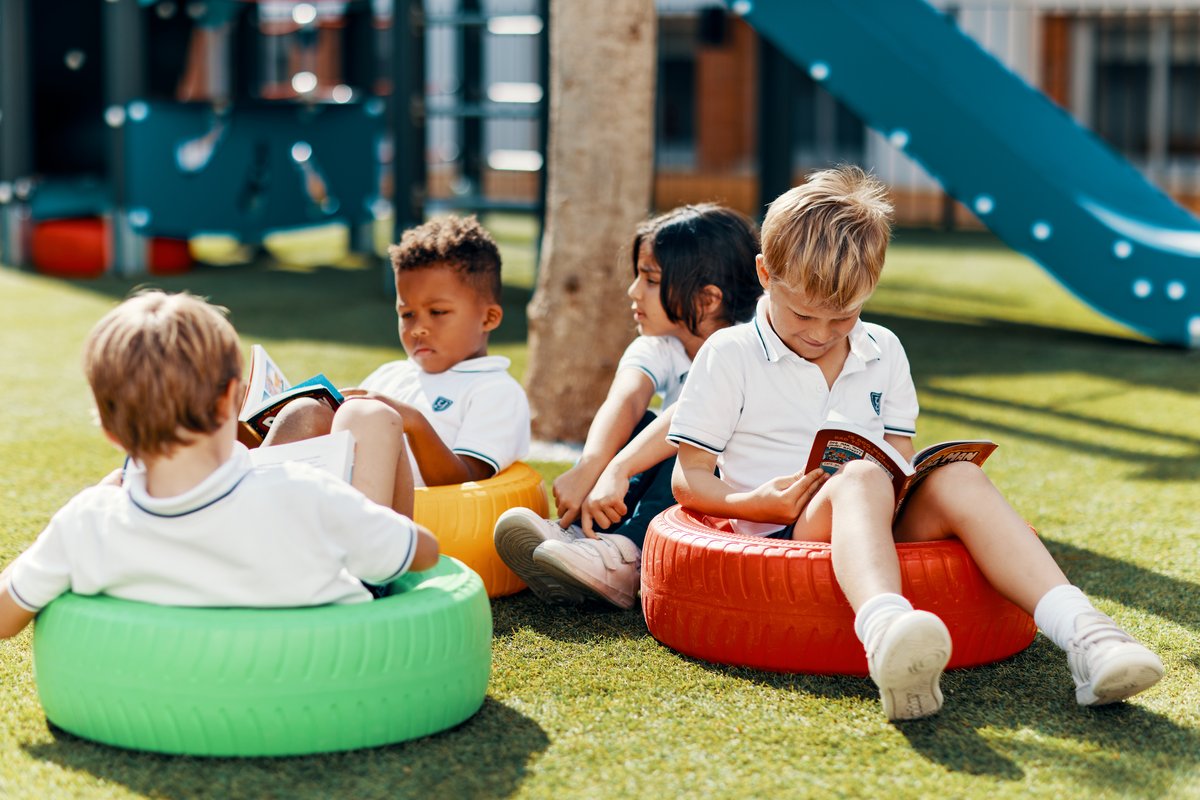
Does Reading in English Offer the Same Benefits?
In a bilingual environment like ours, reading in English adds even greater value. It helps students consolidate the language naturally while expanding vocabulary and strengthening grammatical structures in both languages simultaneously. As a result, the benefits are even greater.
In short, reading is a fundamental habit in a child’s development. If your child says they don’t like reading, in most cases it is not that they dislike it, they simply haven’t found the right book yet.
At Yago School Málaga, we believe it is essential to offer a wide range of genres, respect each student’s interests and avoid associating reading solely with school obligations.
If you would like to learn more about how we foster a love of reading at our private school in Málaga, please get in touch. Our team will be delighted to guide you through this journey. After all, reading can be truly enjoyable.