

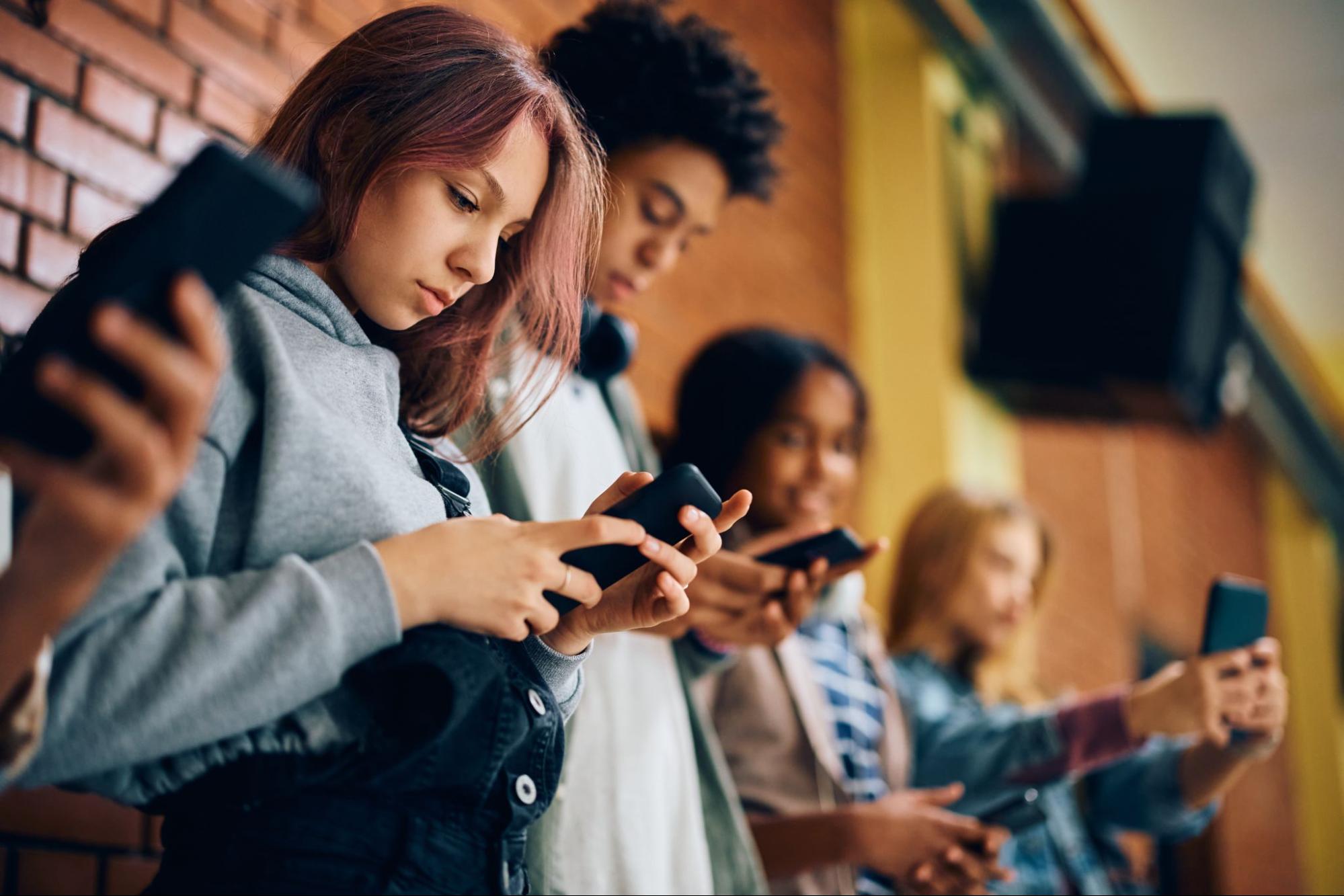
According to a report by Qustodio, Spanish teenagers now spend an average of 77 minutes a day on social media, above the global average of 64 minutes. TikTok and Instagram have become the spaces where many young people build their identity, seek approval and spend much of their free time.
But what do we really know about how social media affects them? And what can families and schools do to guide them towards a healthy and mindful use of these platforms? At Yago School Málaga, we take an in-depth look at this important issue.
Why do social media platforms have such a strong influence on teenagers?
To understand the issue, we need to start at the beginning. The teenage brain is not designed to resist social media. During adolescence, we are especially sensitive to external validation. Every notification, every “like” and every positive comment triggers a small release of dopamine, making teenagers want more.
The platforms know this. TikTok, Instagram and Snapchat are designed with features such as infinite scrolling, validation notifications and streaks (consecutive days of messaging), all created to keep users constantly engaged.
On top of this, adolescence is naturally the stage of life when young people most need to feel that they belong to a group, are accepted and are building their own identity. Social media offers the perfect environment for this process, making these platforms especially appealing during these years. In fact, researchers at Harvard University have documented that the teenage brain’s response to receiving “likes” is similar to the reaction caused by eating chocolate or receiving money.
How Does Social Media Affect Teenagers?
The reality, however, is more nuanced. Social media is not inherently good or bad. Its impact depends on factors such as the type of content being consumed, the amount of time spent online, emotional maturity and the teenager’s family and social environment.
Negative Effects
A 2024 study carried out by Pompeu Fabra University and Open University of Catalonia, involving more than 1,000 Spanish teenagers aged 12 to 18, found that social media use is linked to lower levels of psychological wellbeing, with the impact being significantly greater in girls than in boys.
Likewise, according to the ESTUDES Survey from the Spanish National Plan on Drugs, 15.3% of Spanish students aged 14 to 18 showed signs of possible problematic social media use in 2025. Data collected by Esvidas also revealed that one in five young people falls into a risk zone close to technological addiction, with direct consequences for sleep quality, social life and academic performance.
Another often overlooked consequence is sleep quality. The blue light emitted by screens interferes with melatonin production, and checking mobile phones before going to sleep — or even during the night — has become one of the most common habits among teenagers.
Among the main risks are anxiety, depression and low self-esteem, as well as sleep disturbances and declining academic performance.
Positive Effects
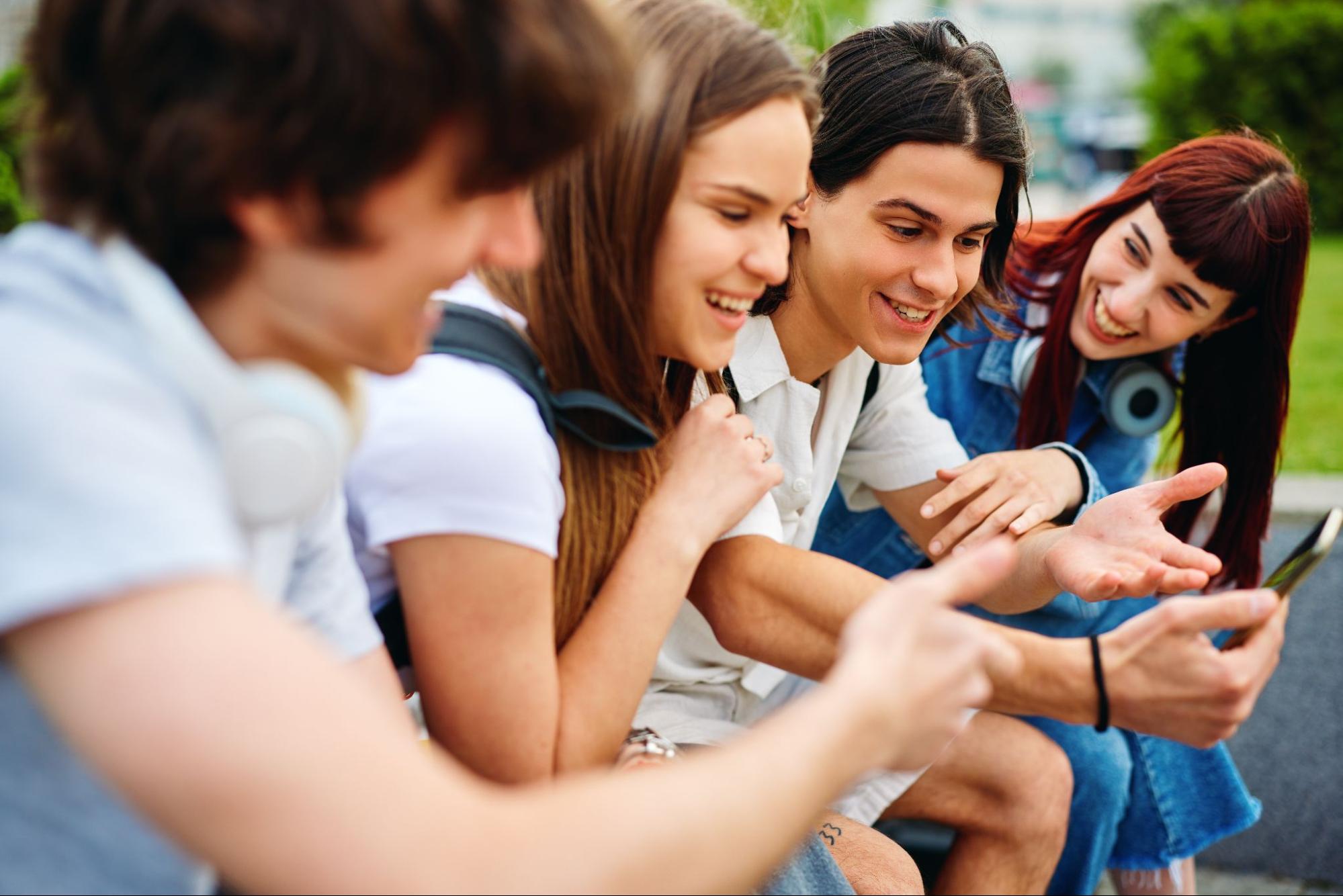
When used in a balanced way, social media can also have positive effects. It can provide teenagers with a healthy sense of belonging and community, especially for those who feel isolated or belong to minority groups. Social media can also encourage creative expression, provide access to information and learning opportunities, and help maintain contact with friends and family. Teenagers who learn to use social media consciously can develop highly valuable digital skills for their future.
When Does Social Media Use Become a Problem?
Distinguishing between intensive use and problematic use is not always easy. These are some of the warning signs families should pay attention to:
- Irritability or anxiety when asked to stop using their phone or when they do not have internet access.
- A decline in academic performance without an obvious reason and difficulty concentrating.
- Sleep disturbances.
- Social isolation.
- Sudden mood changes linked to what they receive — or do not receive — on social media.
- Secrecy or lying about online activity.
- Loss of interest in hobbies and activities they previously enjoyed.
- Excessive concern about personal image.
If several of these signs persist over time, it is important to take action — first through open communication at home and, if necessary, with the support of a professional.

How to Prevent the Misuse of Social Media: A Practical Guide for Families
At Yago School Málaga, we always remind families that the solution is not prohibition. Different studies show that strict restrictions imposed without explanation or dialogue often generate rebellion rather than healthy habits. The goal should be to educate teenagers in conscious and responsible digital use.
One of the most common mistakes is giving teenagers a mobile phone without establishing clear agreements beforehand and only intervening once misuse has already appeared. Another frequent issue is inconsistency from adults: asking children to put their phones away while parents remain constantly connected themselves.
To encourage a healthier relationship with social media, families are advised to:
- Maintain open conversations and show interest in the content teenagers consume.
- Establish clear agreements from the beginning (screen time limits, phone-free spaces and usage schedules).
- Lead by example.
- Regularly review privacy settings.
- Encourage offline activities such as sports, music, reading or spending time with friends in person.
- Educate teenagers about algorithms, beauty filters and the difference between reality and digital construction, among other important topics.
The Role of Yago School Málaga in Digital Education
Families do not have to face this challenge alone. Schools play a fundamental role in supporting teenagers’ emotional and digital education. Through this guidance, students learn how to manage emotions linked to online rejection, identify fake news, protect their digital footprint and understand the mechanisms behind the platforms they use every day.
At Yago School Málaga, we believe that technology, when properly guided, is an opportunity rather than a threat. That is why we work closely with families, providing practical tools and helping our students develop a healthy, critical and conscious relationship with the digital world.
Ultimately, social media is not going to disappear from our children’s lives. Trying to isolate them from it is neither realistic nor desirable. What truly matters is supporting them with intelligence, empathy and consistency. If you would like further guidance on this topic, please feel free to contact us.